



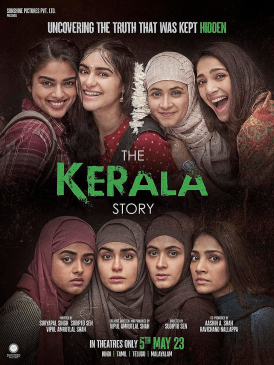

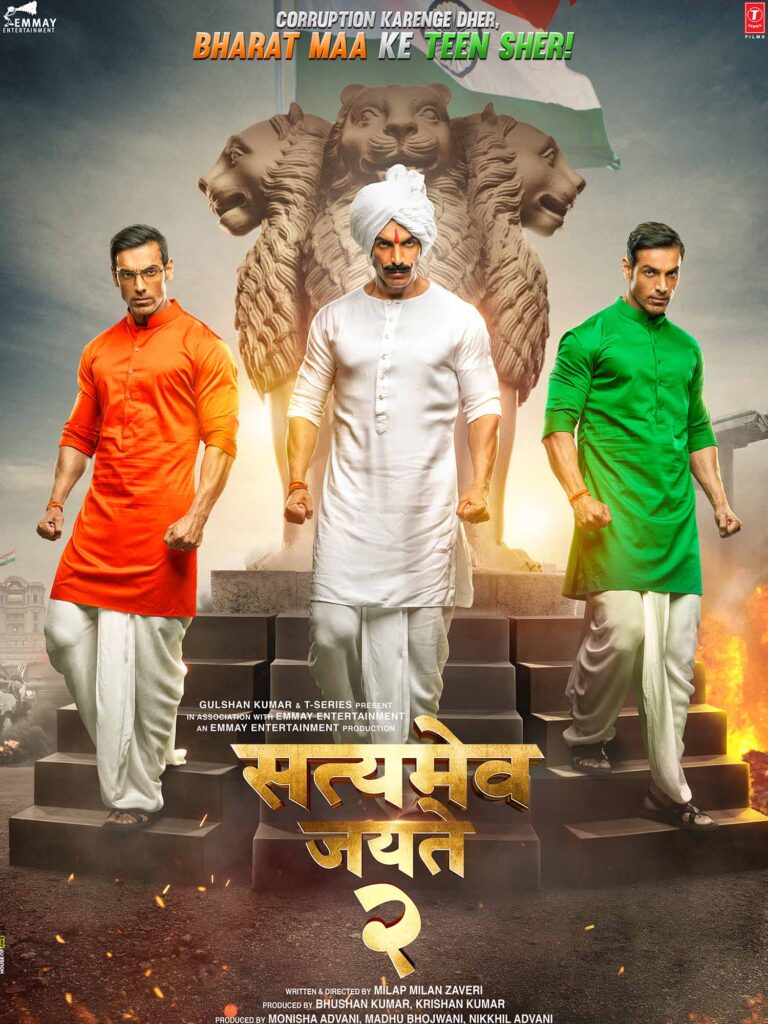
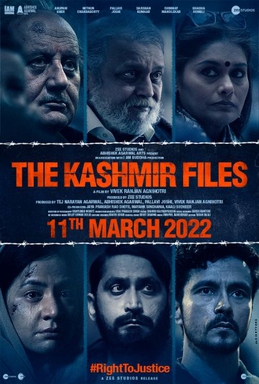
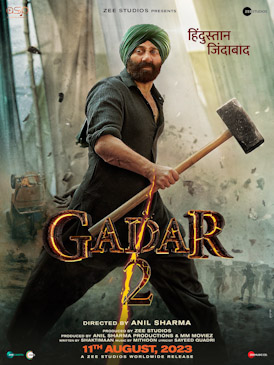
Since the late 2010s, Hindi commercial cinema has seen a steady run of politically charged hits—Uri: The Surgical Strike (2019), The Kashmir Files (2022), The Kerala Story (2023), Gadar 2 (2023), and Article 370 (2024), among others. These films vary in craft and intent, but many share a rhetorical frame: national threat, internal enemies, and a cathartic moral resolution. What makes the trend notable isn’t just box-office momentum; it’s the state signalling around some of these films and the heated dispute over “propaganda” versus “patriotism.”
For example, The Kashmir Files was publicly praised by India’s Prime Minister and made tax-free across multiple BJP-ruled states—an unusual level of official encouragement for a commercial release.
Similarly, The Kerala Story triggered lawsuits and a brief ban in West Bengal; India’s Supreme Court stayed the ban and required a disclaimer clarifying that headline conversion figures were not authenticated—an explicit judicial acknowledgement that contested “facts” in films can sway public discourse.
And Article 370, released months before the 2024 general election, was widely read through an electoral lens; coverage highlighted the Prime Minister’s praise and the film’s framing as an explainer validating the government’s Kashmir policy.
Box office has rewarded several such titles—Gadar 2 rode a nationalism wave to one of 2023’s biggest openings—showing clear demand for muscular national-security narratives.
Nationalism is blatantly being treated as a ready-made formula: wrap a mediocre script in a tricolor, add a few “Bharat Mata ki Jai” slogans, and assume audiences will stand up and clap. Sometimes, this strategy works but many others, despite massive budgets and political backing, have failed to resonate.
Why? Because audiences today are savvier than filmmakers give them credit for. Patriotism can’t be forced, and nationalism on-screen without substance often feels hollow.
What politics does this reflect?
This moment can be explained by three overlapping dynamics:
Electoral Polarisation and Culture War Politics
In polarised times, media ecosystems drift towards identity narratives. In India, mainstream outlets report mounting pressure on Bollywood – from online intimidation to legal cases – to align with majoritarian sentiments and avoid themes seen as “anti-national” which takes away from exploring truly new, out-of-the-box ideas. Investigations and magazine features have traced the intersection of Hindi-nationalist politics with entertainment; which nudges content toward safer (or celebratory) nationalism and away from themes that are dissenting, pluralist or critical of government and society.
State Signalling and Soft Power
Cinema is turned into a soft-power amplifier when elected officials endorse films and waives taxes or arrange special screenings. With The Kashmir Files, multiple BJP-ruled states waived entertainment tax and political leaders urged citizens to watch – all symbolic cues that blur the line between art and quasi-civic messaging.
Market Shocks and Audience Realignment
As a direct impact of the pandemic and the resultant streaming competition, producers have been pushed towards event cinema that promises communal spectacle and easy legibility. NAtional security stories deliver that and success begets imagination. Trade analyses documented a broaded Bollywood slump in 2022 as nationalist titles surged, encouraging financiers to back similar bets.
How Muslims (and Pakistan) are framed—what research says
Peer-reviewed work and literature reviews note persistent stereotype clusters—from the “suspect Muslim” to the hyper-patriotic “good Muslim”—and the tightening association of Pakistani identity with threat. Recent scholarship (2023–2025) synthesises decades of representation, arguing that post-2000 trends increasingly “other” Muslims, especially in conflict or historical epics. While not every film fits the pattern, the centre of gravity has shifted.
At the same time, counter-examples exist. Films like Haider (2014) interrogated state power in Kashmir and faced heavy censor cuts—evidence that plural or critical narratives persist but pay a cost.
Why “propaganda” is a live debate
“Propaganda” isn’t a neutral label; it implies intent to persuade politically more than to explore artistically. Supporters of these films say they merely correct liberal biases, honour soldiers, or finally tell “suppressed truths.” Critics point to timing near elections, overt political endorsements, tax breaks, and disputed factual claims to argue the films are ideological instruments dressed as entertainment. Movies go as far as to try and “rewrite history” portraying the old Muslim rulers of the subcontinent as savages or monsters despite the years Hindus lived with them in unity.
The legal step of forcing a disclaimer in The Kerala Story sharpened those concerns; likewise, coverage of Article 370 emphasised how the film mapped closely onto the government’s talking points.
The Overdose of Jingoism
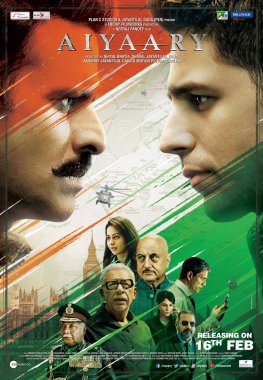
Films like Aiyaary (2018) and Satyameva Jayate 2 (2021) tried to cash in on patriotic fervour but collapsed under their own weight. Instead of nuanced storytelling, they relied on monologues and chest-thumping dialogues — making nationalism feel more like a school play than cinema. As a result, the audiences tuned out.
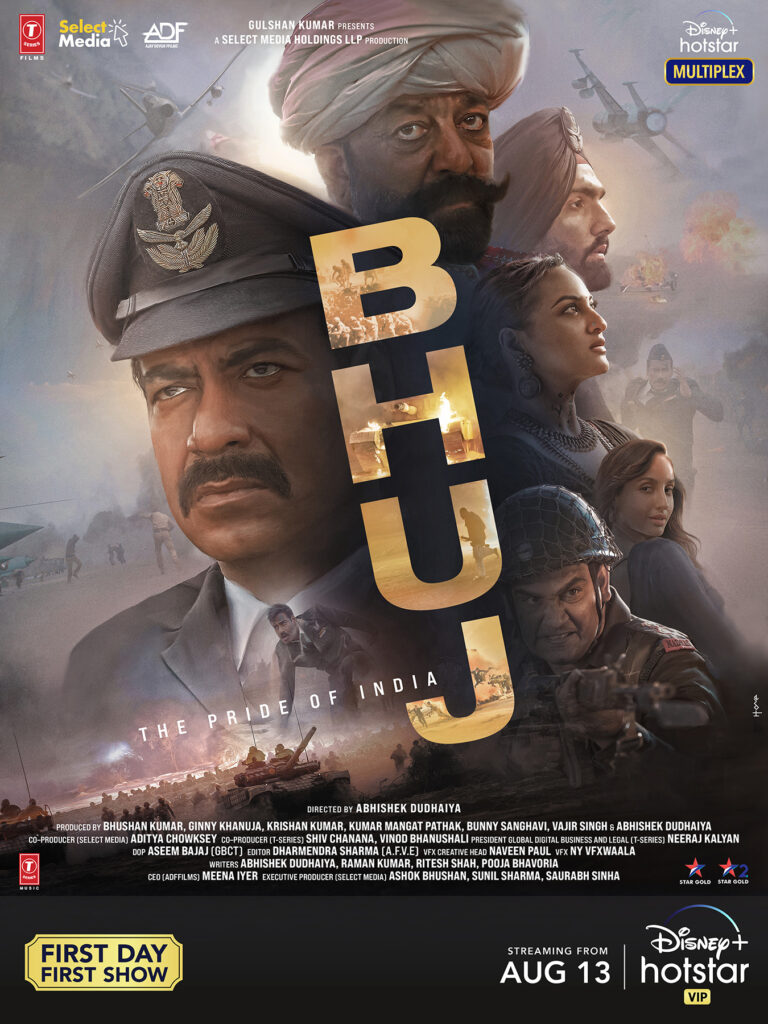
Similarly, movies like Romeo Akbar Walter (2019) or Bhuj: The Pride of India (2021) leaned heavily on stereotypes, using the lazy trope of vilifying one community as shorthand for creating an “enemy” but lacked emotional depth. What could have been stories about human resilience turned into propaganda pieces, alienating sections of the audience who saw through the caricatures.
On the other hand we have Lagaan (2001), which stirred patriotic feelings without sermonising or even something like Shershaah (2021), which worked because it told a deeply personal soldier’s story rather than reducing everything to a flag. The failed ones? They put nationalism before narrative. And audiences don’t forgive weak storytelling, no matter how many flags are waving in the background.
What this could mean for India’s communities
1) Social trust & everyday life
When popular culture persistently codes one community as threat or “outsider,” it can harden bias, even absent explicit calls to hatred. Communication research warns that repeated negative portrayals correlate with prejudice formation—a risk in any diverse society. These stories create alienation and even for ordinary audiences, the fatigue is real as they don’t want every film night to feel like a news channel debate.
2) Chilling effects on storytellers
Creators may self-censor to avoid boycott campaigns, legal complaints, or online harassment. Long-form reporting documents this climate of caution, which narrows the imaginative bandwidth of a mass medium that historically sold India’s pluralism back to itself. This results in the collapse of industries where any new or original idea is looked at with suspicion for how the audiences and government may react to it, it takes away from real stories and creators get stuck in the toxic cycle of rephrasing tales that have already been told.
3) Policy feedback loops
Cinema can normalise policy preferences: once an issue is dramatised as existential emergency, muscular state action appears proportionate. Narratives that flatten complexity around Kashmir, conversion, or security can reduce public appetite for compromise, dialogue, or institutional safeguards. This is an inference supported by the alignment between certain film plots and live policy debates noted in mainstream coverage. Over time, the same propaganda begins to be presented as “fact” because the collective consciousness of the nation remembers it like that.
4) Communal backlash and counter-narratives
Legal challenges, bans, and counter-campaigns generate their own politics. The Supreme Court’s intervention on The Kerala Story shows institutions still arbitrate the boundary between speech and harm; but each court fight also amplifies polarisation and turns movies into proxy battlegrounds. Bollywood has long been celebrated by Muslims and Hindus alike, using it as a weapon against your own country’s second largest majority is not only distasteful but takes away from profits.
What comes next
Institutional Signals: Tax waivers, official endorsements, school/force screening are strong indicators of a film’s civic positioning, not just its entertainment value.
Litigation and Disclaimers: Court-mandated context (or the refusal of it) will keep shaping how “true-events” films are received.
Box-office vs. Streaming: If theatres continue rewarding identity-coded spectacles while streamers nurture nuanced stories, India may end up with a split narrative ecosystem.
Counter-Currents: Films like Haider (or nuanced cross-border dramas such as Raazi) show there’s still a market for complexity—even if it’s harder to finance in the current political climate.
Bottom line
There isn’t a single command centre dictating Bollywood’s politics, but there is a visible clustering of films that align with majoritarian and national-security narrative that are amplified by state signalling, fought over in courts, and profitable at the box office. For Muslims and other minorities, the representational stakes are high: when the most widely consumed stories narrow a community to risk, disloyalty, or menace, it strains everyday coexistence. This is visible in the news of violence and discord between Hindus and Muslims that come out of India everyday. For the industry, the risk is narrower horizons and a thinner imagination. Yet India’s cinema has repeatedly reinvented itself over the years; the contest over who gets to be the hero—and whose pain counts the most—remains very much alive.
Leave a Reply